

Game info
Endless runner, Horde, Arcade
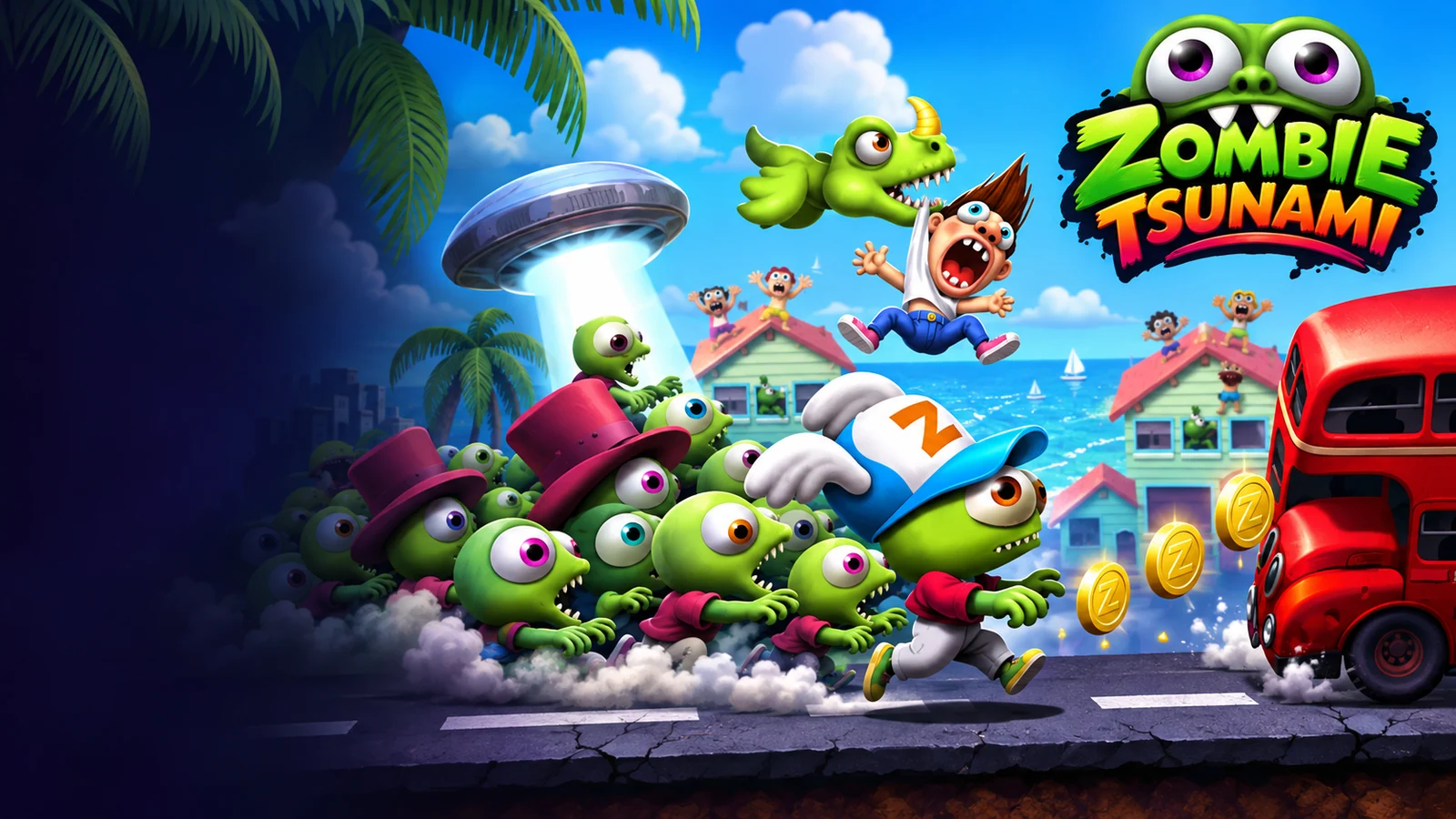
Zombie Tsunami reverses the usual chase by putting the player in charge of an expanding zombie crowd. The horde runs forward while the player times jumps, collects opportunities and tries to keep enough zombies alive to continue.
About Zombie Tsunami
Zombie Tsunami reverses the usual chase by putting the player in charge of an expanding zombie crowd. The horde runs forward while the player times jumps, collects opportunities and tries to keep enough zombies alive to continue.

Gameplay overview
Read the next obstacle, jump at the right time and grow the group through the opportunities along the route. Losing part of the crowd changes what the group can safely do next. Bonuses add variety, but the current terrain still matters more than blindly chasing every collectible.
How to Play
Watch the front of the route while remembering that a long crowd needs time to clear a hazard. An action that saves the leading zombie can still lose the rest if it is timed too late. Keep the group alive first, then take additional risks once you understand how a bonus changes movement.
Controls
Official game: tap or hold the jump control as instructed.
Pro Tips
- Read the landing area before collecting a tempting item.
- Time jumps for the group, not only its front member.
- Learn each temporary bonus before relying on it.
- Check that a portal adaptation really uses the same horde rules.
Making Better Decisions
The crowd is both your progress and your margin for error. A route that preserves most of the horde can be more valuable than a short detour for an optional reward. Watch how long the line of zombies takes to cross an obstacle and leave enough room for the rear of the group. If a bonus changes movement, use the first safe moment to understand the new timing rather than assuming the previous jump rhythm still applies. A failed attempt should suggest whether the jump began too late, the landing was misread or the risk was unnecessary. Closest alternatives reproduce group growth or running decisions; a stationary zombie shooter shares the theme but is a weaker mechanical match. Those relationships are kept visible in the collection.
Features, Modes and Progression
The official native release and the source-listed browser Zombie Tsunami may differ in upgrades, missions and bonus behaviour. Ratings remain attached to their original source.
Manage the horde through the next obstacle
A larger group creates possibilities, but the route still determines how much of that group survives. Read a gap or obstacle before committing to the jump, and consider where the horde will gather afterwards. A reward is less attractive if taking it leads directly into a position you cannot recover from. Keep the next required movement in view rather than following every collectible as a separate target.
Learn the timing of a familiar section
Use a repeated opening to compare earlier preparation with a later correction. If the same obstacle reduces the group each time, inspect the approach instead of simply hoping the next jump will work. The current game may introduce a temporary condition or transformation; read its effect before carrying over the timing you were using a moment earlier.
A one-touch runner built around a growing horde
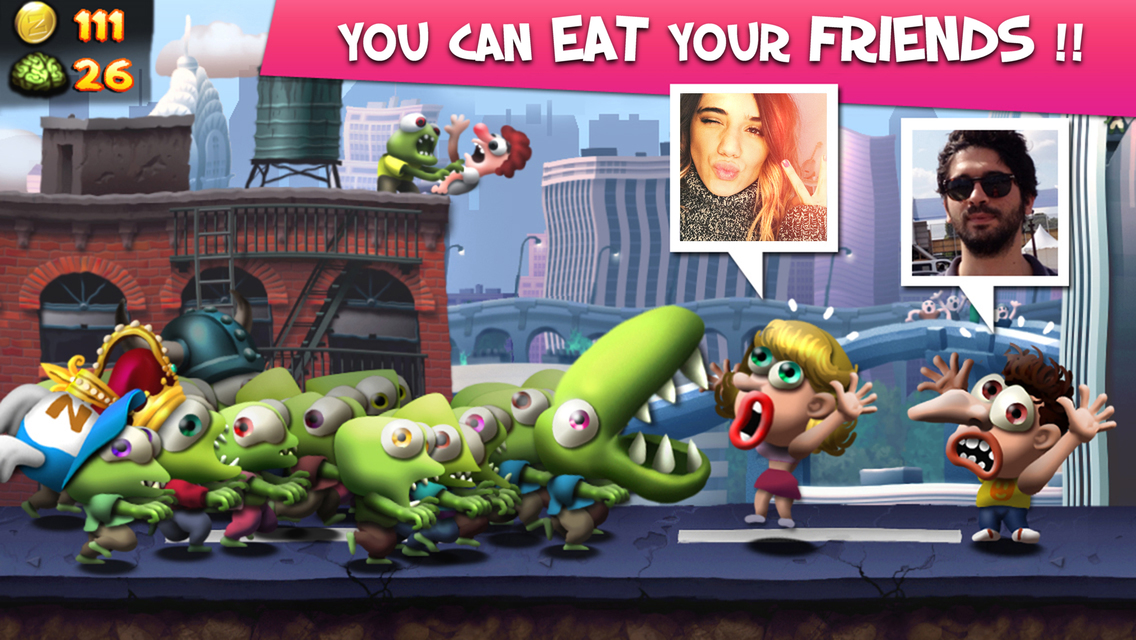
Zombie Tsunami makes the crowd part of both its visual identity and its route decisions. The published game describes turning pedestrians into zombies, adding to the horde and moving through a city full of vehicles and obstacles. A larger group creates a satisfying sense of momentum, but it also makes preserving the route important. Read the next gap before letting collection draw all the attention.
The one-touch framing keeps the starting controls approachable. The challenge comes from the pattern of the road and the result after each jump. Confirm how the chosen player interprets the input, then practise making the leading part of the group land where the next action remains manageable.
Transformations, zombie birds and missions
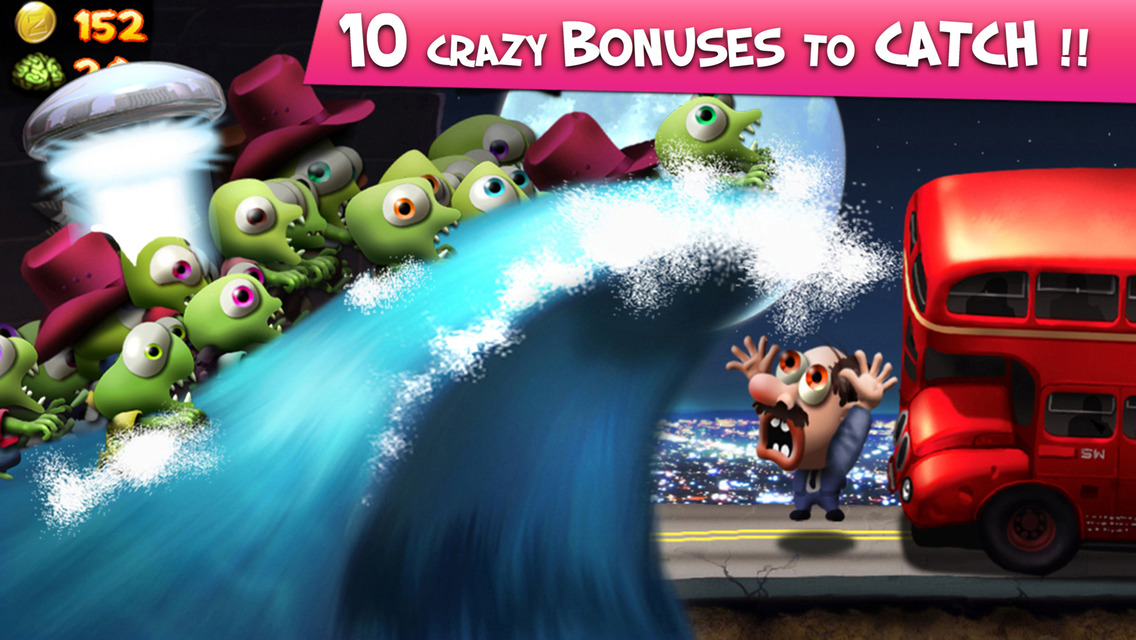
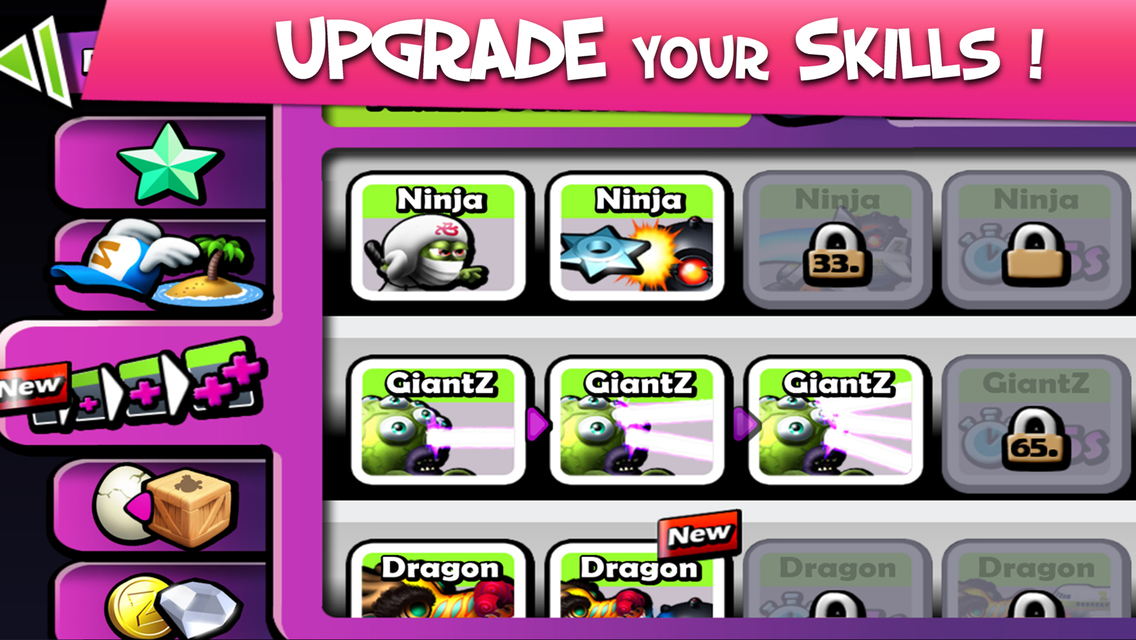
The published product names transformations such as ninjas, dragons and UFOs among its bonuses. These create changes of pace within the run rather than a reason to stop reading the route. Watch what the current effect actually permits and where ordinary movement will resume. A useful bonus has a beginning, an active opportunity and a transition back to prepare.
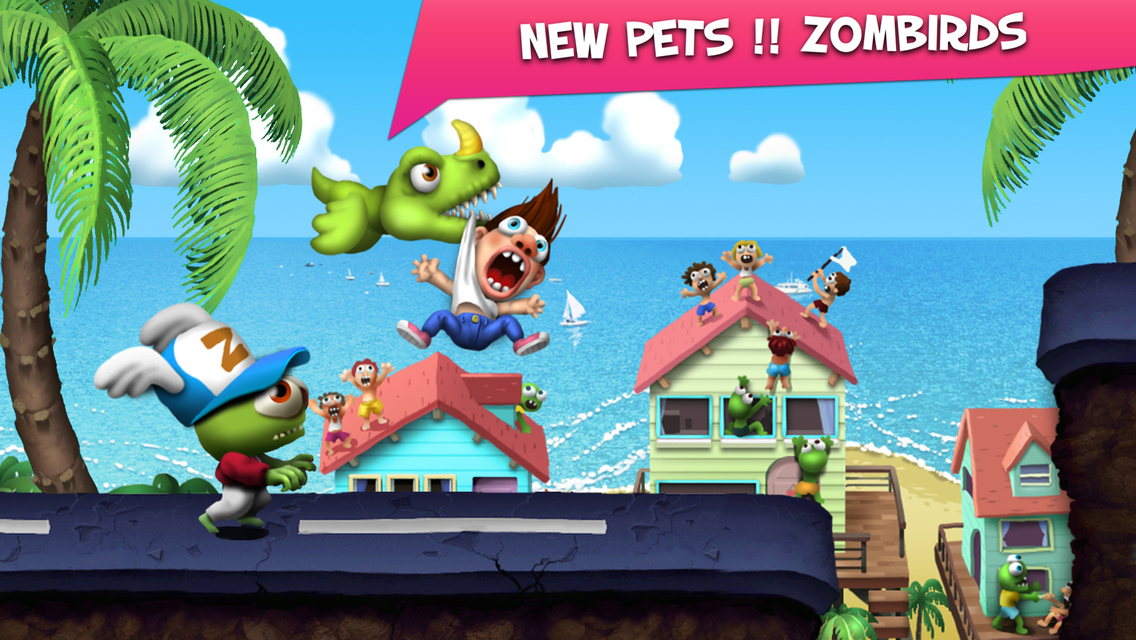
Zombie birds and ongoing missions add another layer of progression in the original game. Read the current information for their available effects and requirements. A short practice run can still focus on movement while those wider goals exist. The distinctive appeal is the contrast between an absurd cartoon horde and a very clear timing problem: keep the group moving, choose the crossing and arrive ready for the next piece of city.
A larger horde changes the way you read a gap
Zombie Tsunami makes the running group itself a visible measure of progress. Adding zombies is exciting, but it also makes the next obstacle worth reading carefully. Look at the landing space, the shape of the gap and what follows immediately after it. A successful crossing is less useful if the group arrives poorly positioned for the next hazard.
Keep attention ahead of the leading edge of the horde. Watching only the last collision can delay the next jump decision. A short rhythm of approach, jump and landing is easier to repeat when you recognise the terrain early. If the same obstacle repeatedly reduces the group, compare the take-off position before assuming a faster input is needed.
People, vehicles and choosing a route
The city contains opportunities to grow and obstacles that ask different things of the horde. Read the current interaction requirements on the screen rather than assuming every visible object can be handled by the group in its present state. A reward on a risky route should be compared with the space available afterwards.
Preserving the group can be a better decision than pursuing every pickup. Once a route becomes crowded, a simple crossing may support more future progress than a difficult detour. Choose what the current attempt is for: extending the run, learning a tricky obstacle or exploring a bonus. Switching between all three without noticing can make the result difficult to interpret.
Temporary transformations and returning to normal movement
Special effects can change the pace and the way an obstacle is handled. Read or observe what the current transformation actually does before relying on it. The important moment is not only when the effect begins but also when it ends. Keep the ordinary route in view so the return to normal movement does not create a surprise landing.
Avoid carrying a habit from one effect into another automatically. A route that was safe under a temporary condition may need a different input afterwards. Notice the screen's cues and give the transition attention. This makes a bonus part of a controlled run rather than a period during which you stop reading the road.
Improving the run one obstacle at a time
When a run ends, identify the earliest avoidable loss rather than only the final one. A smaller group may have made the later route harder, so the useful adjustment could be several obstacles earlier. Compare jump timing, route choice and attention separately. Each produces a different kind of improvement.
For a short practice session, choose a familiar type of crossing and make the landing the objective. Watch where the leading zombie arrives and how much time remains before the next input. Keeping that sequence readable is more useful than adding several frantic corrections after an awkward jump. The horde's size then becomes a result of dependable movement as well as collection.
Zombie Tsunami's original game and more running challenges
Mobigame's official website and the store destinations below identify Zombie Tsunami's published release. Check current game menus for changing missions, upgrades and temporary activities. Avoid relying on a fixed reward promise from an older event or an unrelated download page.
Related running games may control a single character, a crowd or a vehicle, and each changes the shape of a safe route. Choose a close alternative if growing the group is the appeal, or a precision platformer if you enjoy the timing most. Zombie Tsunami is at its best when the city remains readable even as the horde becomes larger: see the obstacle early, choose the crossing and prepare for the landing.
Worked example: a reward before an awkward landing
Imagine that a visible reward sits on a route that requires a jump followed immediately by another correction. Compare it with a simpler line that leaves clear ground after landing. The reward is not the only difference: the two routes give you different amounts of time to read the following obstacle. If the current goal is a longer run, preserving that time may be the more useful gain.
Try the simpler route deliberately and observe the next decision. Did the character arrive in a position you could control? Could you identify the following obstacle earlier? Those observations explain the value of the choice even if the final score is lower on that attempt. Practising a readable landing creates a skill that can support future collection routes too.
Worked example: an effect ending at a busy moment
During a temporary effect, keep track of where ordinary movement will resume. A bonus can change speed, protection or travel without making the next normal obstacle disappear. The transition back may need an input that should be prepared before the effect ends. Learn its visual or audio cues in the current game rather than relying on a remembered duration from another release.
If the transition repeatedly causes trouble, choose a familiar route while learning it. Changing the route and the activation timing simultaneously can make the result hard to interpret. Once the input is dependable, return to a more demanding section with a clearer idea of what the effect adds and what remains your responsibility.
Read the cause of a collision, not only its final frame
The last visible mistake can be the result of an earlier route choice. A narrow landing, a late change of direction or attention fixed on a reward can remove the recovery space needed later. After the run, identify one earlier decision that can change. On a new attempt, keep that adjustment clear instead of changing every movement at once. Confirm touch or keyboard inputs before starting a difficult section, and give yourself a screen position that leaves approaching obstacles visible. Comfortable input makes it easier to distinguish a control issue from a route-planning issue.
Related games
Frequently asked questions
Why do some zombies fall even when the first one clears a gap?
The whole group has to traverse the obstacle; the timing must account for the crowd behind the leader.
Is every zombie game a close alternative?
No. Horde runners are closer mechanically than unrelated survival shooters.
Who develops or publishes Zombie Tsunami?
Mobigame SAS
Which controls should I use?
Official game: tap or hold the jump control as instructed. Browser adaptation: mouse/touch or Space where the runtime supports it.
Is the browser player the exact original game?
The same-title browser player is not treated as an authenticated Mobigame release. Other zombie runners are alternatives with their own rules.
Is it free?
The observed Google Play listing is free to download and offers in-app purchases. A browser alternative has its own provider terms and may include adverts.
Can I use my official account or saved progress in a browser alternative?
No account, purchase or save transfer is established unless the developer explicitly documents it for that build.
What games should I try next?
Compare Zombie Tsunami, zombie runner, horde running, endless zombie game. The related list prioritises shared mechanics and preserves each game’s real identity.
Good game? Tell us.0
Share a tip, celebrate a high score, or tell us what you think. Keep it friendly.